
Blue gradient background with vertical rounded lines in varying shades of blue scattered across the right side.
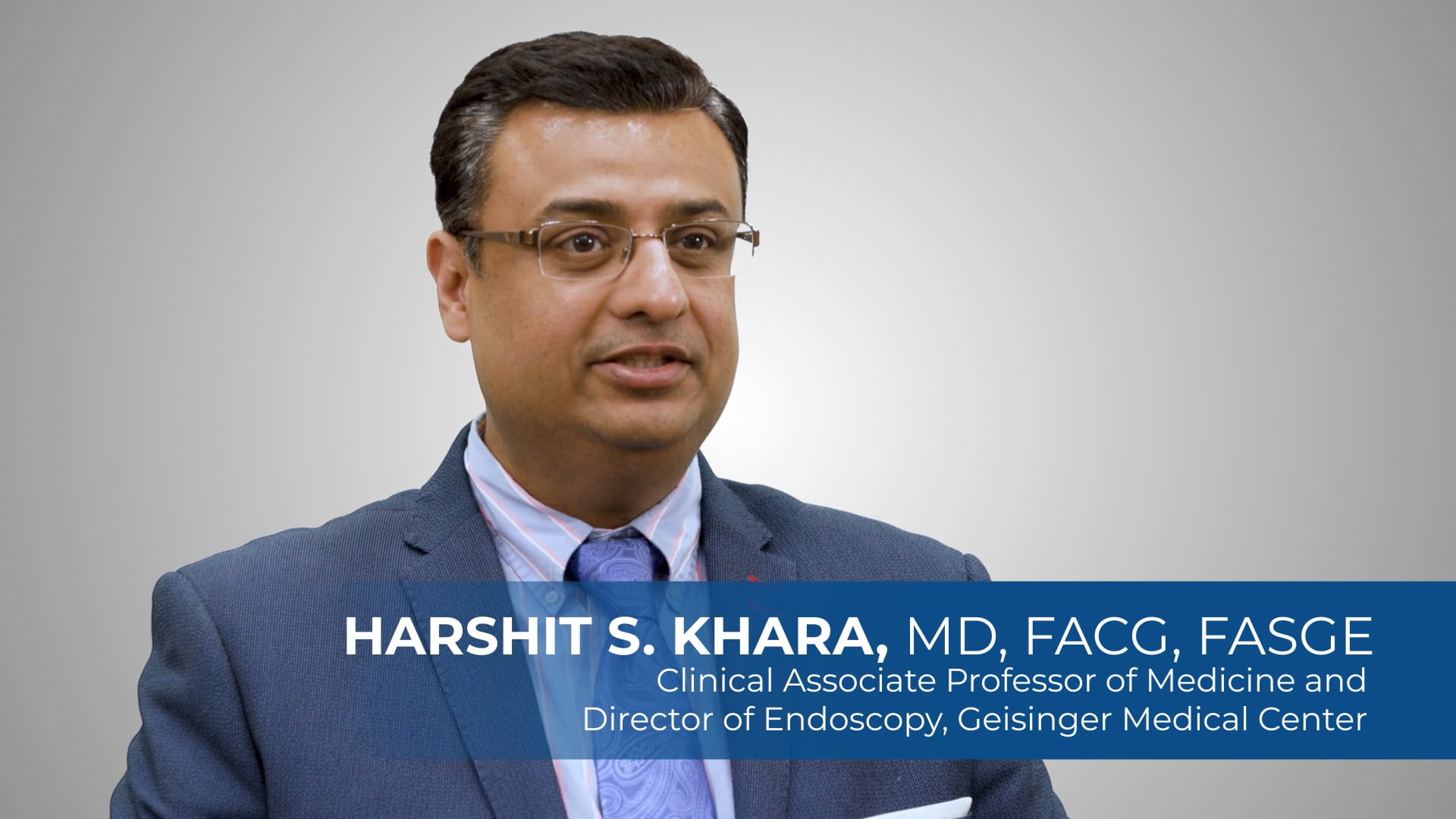
Cases with Harshi Khara, MD, FACG, FASGE
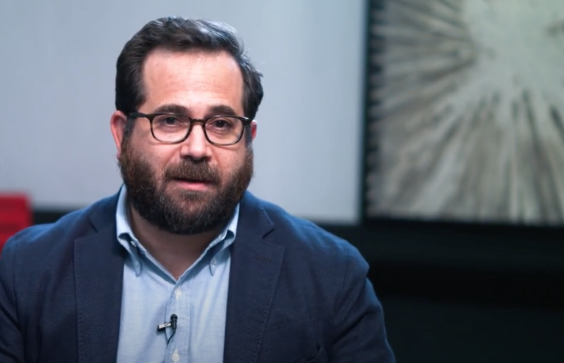
Bearded man with glasses in blue blazer and shirt speaking in front of a blurred abstract painting.

TissueCypher Case Studies: Dr. Harshit Khara

Dr. Harshit Khara is an interventional gastroenterologist based at Geisinger Medical Center in Danville, Pennsylvania. He also serves as the Director of Endoscopy, among several other roles and participates in the training and mentoring of advanced endoscopy and general gastroenterology fellows.

Dr. Khara discusses the need for risk stratification tools inthe management of Barrett’s esophagus and how traditional methods alone can leave clinicians uncertain about optimal care. By incorporating TissueCypher alongside standard histopathologic assessment, Dr. Khara can more confidently assess a patient’s personalized risk of progression to high-grade dysplasia (HGD) oresophageal adenocarcinoma (EAC) and can better tailor care.

See Dr. Khara’s case studies below
Caregiver becomes the patient

A 33-year-old caregiver brings her mother to Dr. Khara for treatment of intramucosal cancer. During the visit, she shares that she had been diagnosed with Barrett’s esophagus (BE) in the past. Dr. Khara urges her not to delay her own care and invites her to return for her own surveillance evaluation.

 See the case details below to learn how Dr. Khara helped this patient.

A change in personal risk drives a change in compliance

This case involves a 49-year-old male patient with ultra-long-segment non-dysplastic Barrett’s esophagus (NDBE) who entered into long term surveillance after a low-risk TissueCypher score. Upon routine follow-up evaluation, changes to segment length were noticed, which prompted a new TissueCypher test and result.

“Now that he knows he’s at a much higher risk of progression, the patient has followed up again at the one-year interval.”

Care escalated in a clinically low-risk patient

A 72-year-old patient presented to Dr. Khara for follow-up management of GERD and non-dysplastic Barrett’s esophagus (NDBE). Although his clinical profile appeared to be low risk, he was interested in proactively treating his Barrett’s esophagus (BE) by way of endoscopic eradication therapy (EET). Dr. Khara utilized an elevated TissueCypher risk score to support the decision of escalation.

“The patient was successfully treated with endoscopiceradication therapy and this way, he did not have to worry about ongoing surveillance on something that could become cancer.”

‍

“How do we find that needle in the haystack to find the patient that’s actually going to progress?”

Harshit Khara, MD, FACG, GASGE